

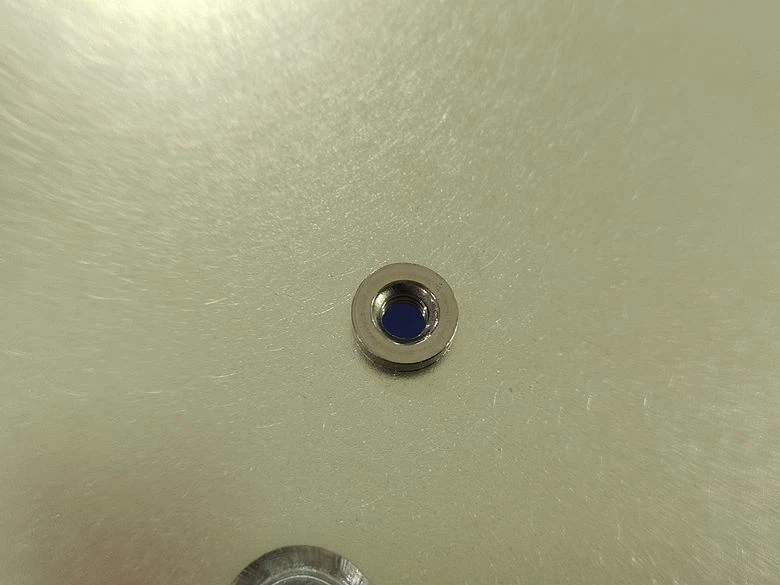
Pressure riveting is a fixing technique, which is often used to fix studs on iron plates, aluminum plates and other plates that cannot be welded. It is also a very common method among fixing methods. The principle is to press the embossed teeth into the preset hole position of the sheet metal. The aperture of the preset hole is slightly smaller than the embossed teeth of the pressure rivet nut. The pressure makes the teeth of the pressure rivet nut squeeze into the plate to cause plastic deformation around the hole, and the deformed object is squeezed into the guide groove, thereby producing a locking effect.
The pressure riveting process usually requires a pressure riveting machine (also known as a rivet machine, a rotary riveting machine, a riveting machine, a rolling riveting machine, etc.), which is a new type of riveting equipment developed based on the principle of cold rolling. The shank of the rivet is rolled and deformed by upper and lower pressures and attached to the workpiece, thereby realizing the riveting of the workpiece.
The pressure riveting process is generally used for ordinary low-carbon steel, aluminum alloy plates, copper plates and other materials, and stainless steel is rarely used.
(I) Rivet nuts and their process requirements
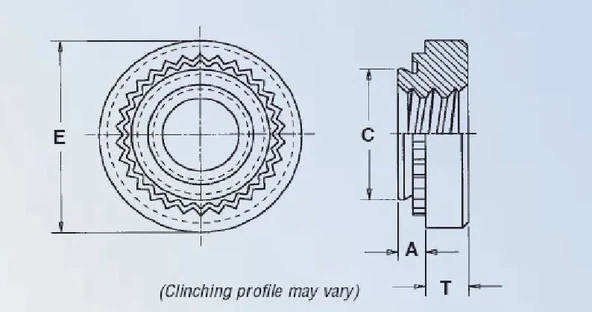
When the aluminum plate t≤1.0mm of the toothed riveted nut, the toothed riveted nut code is -0; when stainless steel is used for riveting, because stainless steel is hard and the nut is easy to fall off after riveting, spot welding is usually used around the nut close to the plate for reinforcement; when riveting, the mold must be in place at one time, and the raised part of the nut must enter the plate completely without leaving any gaps, so that the verticality between the nut and the plate can be better.
(II) Rivet studs and their process requirements

Rivet studs include through-hole full-threaded riveted studs and blind-hole riveted studs; this article mainly introduces two types: full-through studs and blind-hole studs. The difference between through-hole full-through studs and blind-hole studs is whether the inner hole is opened and the length of the thread, while the other dimensions are basically the same.
The processing requirements of riveted studs are as follows: Generally, blind hole riveted studs are not riveted before electroplating. The purpose of this is to allow the plating liquid to flow out as much as possible and prevent the thread from being corroded.
When riveting, the mold must be in place at one time, and all corners of the stud must be embedded in the plate, and at the same time, it must be flush with the surface of the part, so that the flatness of the plate and the verticality of the stud are good. When the stud length L ≥ 30mm, according to the structural analysis and process requirements, the stud must be spot welded to prevent the stud from tilting. When using stainless steel plates for riveting, the outer diameter of the stud and the plate opening size tolerance must be guaranteed to be ± 0.05mm.
(III) Riveting screws and their process requirements
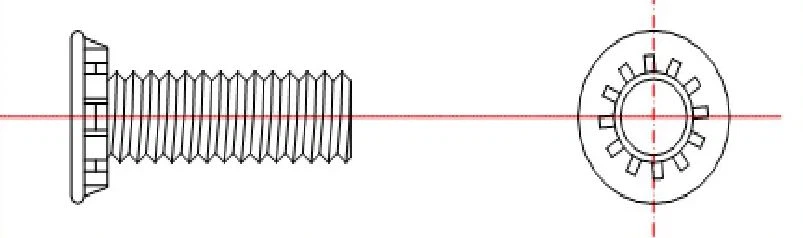
Riveting screws are mainly divided into two types: round head type and hexagonal head type: the S part of the round head riveting screw is a round head and flower teeth, and the riveting method is basically the same as the flower tooth riveting nut introduced above; the S part of the hexagonal head type screw is composed of a hexagonal head and a concave and convex, and the riveting method is the same as the riveting stud.
The processing technology requirements of riveting studs are as follows: usually, plates with t < 1mm are not used for riveting; the mold must be used in place at one time during riveting, and all corners of the stud must be embedded in the plate, and at the same time, they must be flush with the surface of the part, so that the flatness of the plate and the verticality with the stud are good. Because the S value of the riveting screw is usually large, it is easy to squeeze the material during riveting, which leads to deformation of the part; when riveting stainless steel plates with stainless steel screws, the outer diameter of the screw and the opening size tolerance should be guaranteed to be ±0.05mm.