

What Is 3D Printing
3D printing or additive manufacturing is the construction of a three-dimensional object from a CAD model or a digital 3D model.It can be done in a variety of processes in which material is deposited, joined or solidified under computer control,with the material being added together (such as plastics, liquids or powder grains being fused), typically layer by layer.
Advantages of 3D Printing
Flexible Design
3D printing allows for the design and print of more complex designs than traditional manufacturing processes. More traditional processes have design restrictions which no longer apply with the use of 3D printing.
Rapid Prototyping
3D printing can manufacture parts within hours, which speeds up the prototyping process. This allows for each stage to complete faster. When compared to machining prototypes, 3D printing is inexpensive and quicker at creating parts as the part can be finished in hours, allowing for each design modification to be completed at a much more efficient rate.
Print on Demand
Print on demand is another advantage as it doesn't need a lot of space to stock inventory, unlike traditional manufacturing processes. This saves space and costs as there is no need to print in bulk unless required.
The 3D design files are all stored in a virtual library as they are printed using a 3D model as either a CAD or STL file, this means they can be located and printed when needed. Edits to designs can be made at very low costs by editing individual files without wastage of out of date inventory and investing in tools.
Strong and Lightweight Parts
The main 3D printing material used is plastic, although some metals can also be used for 3D printing. However, plastics offer advantages as they are lighter than their metal equivalents. This is particularly important in industries such as automotive and aerospace where light-weighting is an issue and can deliver greater fuel efficiency.
Also, parts can be created from tailored materials to provide specific properties such as heat resistance, higher strength or water repellency.
Fast Design and Production
Depending on a part's design and complexity, 3D printing can print objects within hours, which is much faster than moulded or machined parts. It is not only the manufacture of the part that can offer time savings through 3D printing but also the design process can be very quick by creating STL or CAD files ready to be printed.
Minimising Waste
The production of parts only requires the materials needed for the part itself, with little or no wastage as compared to alternative methods which are cut from large chunks of non-recyclable materials. Not only does the process save on resources but it also reduces the cost of the materials being used.
Cost Effective
As a single step manufacturing process, 3D printing saves time and therefore costs associated with using different machines for manufacture. 3D printers can also be set up and left to get on with the job, meaning that there is no need for operators to be present the entire time. As mentioned above, this manufacturing process can also reduce costs on materials as it only uses the amount of material required for the part itself, with little or no wastage. While 3D printing equipment can be expensive to buy, you can even avoid this cost by outsourcing your project to a 3D printing service company.
Ease of Access
3D printers are becoming more and more accessible with more local service providers offering outsourcing services for manufacturing work. This saves time and doesn't require expensive transport costs compared to more traditional manufacturing processes produced abroad in countries such as China.
Environmentally Friendly
As this technology reduces the amount of material wastage used this process is inherently environmentally friendly. However, the environmental benefits are extended when you consider factors such as improved fuel efficiency from using lightweight 3D printed parts.
Advanced Healthcare
3D printing is being used in the medical sector to help save lives by printing organs for the human body such as livers, kidneys and hearts. Further advances and uses are being developed in the healthcare sector providing some of the biggest advances from using the technology.


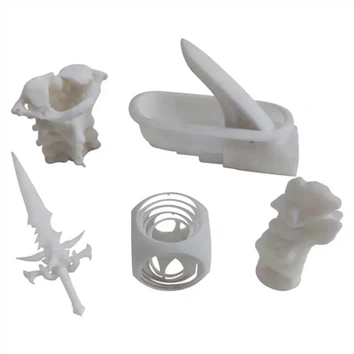


EXPERTS SUPPORT
Can't decide the printing technology and most suitable material for your project? Don't worry about it. We'll help you make your best 3D Printing project yet.
FULL-SERVICE 3D PRINTING
From your sketch, we will design, 3D print, clean and polish your 3D printed object. Need a metal finish or regular paint? We can do that too!
INDUSTRIAL 3D PRINTERS
You will get access to high resolution industrial 3D Printing technologies without the cost that comes with it.
SUPERIOR QUALITY PRODUCTION
Get a smooth surface finish for your 3d printed parts or artwork.
QUICK TURNAROUND
Never stress about your project's deadline, we will get your 3D print parts in no time!
10 Applications of 3D Printing



Prosthetics And Human Organs
With the refinement of materials and techniques, 3D printing is going to revolutionize the medical field. 3D printing is already being used to create tailored prosthetics and tooth implants. In the near future, we might even have the technology to replicate human organs. 3D printing would be used to create the scaffold of an organ, followed by the use of stem cells to grow tissue.
Biomedical Implants
3D printing has evolved to 4D printing, which can be used for drug research, biosensor development and optics. 4D may even lead to cures for rare diseases through the creation of biomedical implants that can change and modify their shapes to suit the environment around the organ.
Pharmaceuticals
The 3D printing of drugs is amazing! It allows for a much quicker turnaround time when manufacturing different medicines because machine cleaning is simpler. In 2015, Aprecia Pharmaceuticals' Spritam levetiracetam became the first 3D-printed drug approved by the FDA. In the future, 3D printing could facilitate the local manufacturing of drugs on demand. That could dramatically impact drug distribution and allow local geographies to rapidly tackle infectious diseases.
Emergency Response Structures
One area where 3D printing will be of immense benefit in the future is emergency response infrastructure. Startups such as Texas-based ICON and California-based Mighty Buildings use 3D printing to create buildings. ICON can build a 500-square-foot home in 24 hours, and Mighty Buildings structures require 95% fewer labor hours and generate ten times less waste than conventional construction projects. The ability to quickly set up an emergency response center or a portable hospital in response to a catastrophe is going to be needed even more in the future.
Interplanetary Travel And Colonization
Many of the benefits of 3D printing here on Earth are clear, but what's truly exciting is the potential for the technology to impact travel, exploration and, eventually, life in space. I see 3D printing becoming integral to the establishment of homes and communities on other planets—even supporting affordable and sustainable housing options to address major societal issues such as homelessness.
On-Demand, Tailored Clothing
The clothing industry generates a tremendous amount of waste, which ends up in landfills. I recently purchased a pair of 3D-printed shoes, and they are amazing! Imagine if clothing could be printed on-demand, to our measurements. We would get more of what we want with little waste. I'm also fascinated by the application of 3D printing to address housing shortages.
Custom-Fitted Personal Products
From safety equipment to clothing to seating, there will soon be a revolution in custom-fitted products. Imagine a motorbike helmet that is custom-fitted to your head shape to reduce impact damage. Imagine custom-fitted car seats for kids or adults to improve safety. And then multiply that for all other ergonomic products, including clothing, glasses, keyboards, mice—even phones.
Educational Materials
3D printing technology can be used in education to spark student creativity and improve learning and collaboration. It can bring objects out of textbooks and off computer screens to provide learning benefits that cannot be achieved otherwise. For example, students could print out 3D topographical models to learn geography or 3D biological artifacts to learn science.
Food
Right now, it takes two years of feed, water, land and methane production to turn a grass-fed cow into a filet mignon. Lab-grown meat is already being produced. In your kid's lifetime, a filet mignon will be printed from a bucket of enzymes—but it will still be meat protein. And if we are doing that, why not ensure consistent, widespread top quality by using the formula to make every filet the equivalent of a Kobe Wagyu cut?
Replacement Parts For Household Items
Eventually, people will be able to use 3D printers to create replacement parts for things around the house. I believe there are several major benefits to putting the replacement parts industry in the hands of consumers. It will eventually save business owners time and money, and it will make it easier for people to maximize the value of their purchases, which means more happy customers.

What Are the Types of 3D Printing Technology That Exist
There are many different types of 3D printing technologies. Some 3D printing technologies use UV-sensitive photopolymers, some fuse metal or plastic powders, and others extrude molten plastic. The different types of 3D printing technologies are listed below:
Fused Deposition Modeling (FDM): FDM is a 3D printing technology where a melted plastic filament is extruded by a heated nozzle to build parts.
Digital Light Processing (DLP): DLP is a 3D printing technology similar to SLA that uses UV light and a series of mirrors to cure photopolymers and build parts.
Electron Beam Melting (EBM): EBM is a 3D printing process similar to SLS and DMLS, but it uses a beam of electrons rather than a laser to melt and fuse the powders that form the parts.
Selective Laser Sintering (SLS)
SLS is a type of 3D printing that uses a powerful laser to melt and fuse polymeric powders to build parts.
Direct Metal Laser Sintering (DMLS)
DMLS is a type of 3D printing similar to SLS that uses metal powders instead of polymeric powders.
Stereolithography (SLA)
SLA is a 3D printing technology that uses a UV (ultraviolet) lamp to build successive layers of UV-curable photopolymers into final parts.
Polyjet
Polyjet is a type of 3D printing similar to SLA and DLP, but deposits and cures photopolymers simultaneously with a UV lamp.
What Are the Best Materials for 3D Printing
Listed below are some of the best materials for 3D printing:
ABS (Acrylonitrile Butadiene Styrene)
ABS (Acrylonitrile Butadiene Styrene) is one of the most widely adopted 3D printing materials available today. Derived from petroleum feedstocks, ABS boasts a prominent role in injection molding and finds its application in numerous household commodities. Notable examples include its use in: crafting enduring Lego bricks, protective phone cases, and resilient bicycle helmets. These products benefit from ABS's remarkable attributes such as outstanding durability, robustness, and resistance to elevated temperatures.
In commercial applications, ABS shines in rapid prototyping. However, in the hobbyist 3D printing arena, it receives somewhat less attention. This is primarily attributed to its slightly trickier printing characteristics, with a tendency to warp unless printed within an enclosed and heated build chamber.
ABS boasts affordability and an impressive strength-to-weight ratio. In addition, it facilitates straightforward post-processing and offers a diverse color palette. It's important to note that ABS emits odorous and potentially harmful volatile organic compounds (VOCs) during the printing process. To mitigate this, it's advisable to print in well-ventilated spaces or within an enclosure, and maintaining distance from the printing area is a prudent precaution.
ASA (Acrylic Styrene Acrylonitrile)
ASA (Acrylonitrile Styrene Acrylate) is a 3D printing material positioned as a superior alternative to ABS. It boasts enhanced thermal resistance, improved mechanical properties, and heightened resistance to a broader spectrum of chemicals. Unlike ABS, ASA retains its color even under UV exposure. Moreover, ASA exhibits reduced warping tendencies compared to ABS, simplifying the printing process significantly.
Polypropylene
Polypropylene (PP) is a versatile material with numerous applications beyond 3D printing. It is primarily renowned for its exceptional chemical resistance and resistance to fatigue. This semi-crystalline plastic has a tendency to warp easily during the 3D printing process and struggles to adhere to the build plate. Despite these challenges, PP is highly valuable for for creating living hinges, leveraging its impressive fatigue resistance.
PLA
PLA, short for polylactic acid, is the most popular 3D printing filament material. It's ideal for prototypes and objects that won't be exposed to high temperatures or heavy stress. Derived from renewable sources like corn starch or sugar cane, PLA is hailed for its eco-friendly origins. While it can be recycled at industrial facilities, it's important to note that it's not biodegradable in standard home environments. What sets PLA apart is its remarkable ease of use. It has a relatively low printing temperature (190–215 °C) and minimal warping tendencies. Moreover, PLA is virtually odorless during printing, providing a pleasant and comfortable experience. Its compatibility with single-use food contact further broadens its applications. However, PLA does come with limitations, such as lower durability compared to materials like ABS or PETG and sensitivity to high temperatures.
Some variations of PLA include: silk-like PLA, lightweight PLA, recycled PLA, color-changing PLA, glitter or sparkly PLA, wood PLA, biodegradable PLA, flexible and soft PLA, carbon-fiber-infused PLA for added strength, glow-in-the-dark PLA, conductive PLA for electronics projects, high-temperature PLA for improved heat resistance, translucent PLA for a unique aesthetic, and even metal-infused PLA for a metallic finish.
Carbon Fiber
Carbon fiber particles, when incorporated into common 3D printing materials like ABS, PLA, or PETG, enhance the material's overall strength, setting it apart from fillers like wood or metal which typically reduce strength. However, it's important to note that carbon-fiber-filled plastics can lead to nozzle clogging and increased wear on standard 3D printing nozzles. To mitigate these issues, it is advisable to use hardened steel nozzles when working with carbon-fiber-infused materials.
Nylon
Polyamide (PA), commonly referred to as nylon, is a robust and enduring 3D printing material renowned for its exceptional toughness and resistance to both high temperatures and impacts. It boasts commendable tensile and mechanical strength, making it a favored choice for a wide spectrum of applications.
Nylon is frequently reinforced with various fibers such as carbon, glass, or it can be embedded with continuous carbon fiber for enhanced reinforcement. Its utilization is widespread in high-end engineering domains, encompassing the creation of gears, jigs, fixtures, and tooling. Additionally, nylon is available in powder form, expanding its range of applications.
While not as easy to print with as materials like PLA or PETG, nylon remains a viable choice. To work with nylon effectively, a high-temperature nozzle, capable of reaching up to 300 °C, may be necessary. Furthermore, proper storage is very important, as nylon readily absorbs moisture when exposed to open air. Moisture absorption can lead to material degradation, resulting in subpar print quality and reduced strength.
HIPS
High impact polystyrene (HIPS) is a unique 3D printing material composed of a blend of polystyrene plastic and polybutadiene rubber. This combination yields a material that boasts impressive toughness and flexibility.
While HIPS shares similarities with ABS, it distinguishes itself by its exceptional resistance to high-impact forces. Additionally, it offers versatility through ease of painting, machining capabilities, and compatibility with a wide range of adhesives. HIPS also holds an FDA-compliant status for food processing applications.
In 3D printing, HIPS is mainly used as a support material. Its key advantage lies in its solubility in limonene solution, eliminating the need for labor-intensive removal methods like abrasives or cutting tools. This property simplifies the printing process. Moreover, HIPS can be smoothed to achieve glossy surfaces, a feat often challenging with PLA. It's worth noting that while limonene is an accessible solution derived from lemon peels, it may have adverse effects on 3D printing materials other than HIPS.
Polycarbonate
Polycarbonate filament, often referred to as PC, is a transparent and durable material well-suited for high-temperature applications due to its exceptionally high transition temperature (approximately 150 °C). PC exhibits natural flexibility, making it suitable for various situations, even those involving significant stress on the printed object.
Nevertheless, it's important to note that PC filament is prone to absorbing moisture from its environment. This moisture absorption can lead to issues such as warping or layer separation during printing. To mitigate these challenges, it's advisable to store PC filament in an airtight container whenever possible. Additionally, given the high printing temperatures required, using heat protection measures is essential when working with PC.
PVA
Similar to HIPS, Polyvinyl Alcohol (PVA) is primarily used as a support material in 3D printing. It isn't particularly suitable for creating standalone objects due to its soft and biodegradable nature. However, the key distinction between PVA and HIPS is that PVA completely dissolves in warm water. This eliminates the need for additional solutions or products, simplifying the 3D printing process.
One notable drawback of PVA is its tendency to clog the nozzle if heated without active printing. Additionally, it's essential to store any surplus PVA in an airtight container to prevent moisture absorption.
Resins
Resin is a versatile material in 3D printing. It encompasses various technologies like stereolithography (SLA), digital light processing (DLP), and liquid crystal display (LCD) in vat polymerization, as well as material jetting methods like PolyJet. Resin excels in high-detail printing and is often strong enough for post-print machining.
High-temperature resins are cost-effective for creating injection molds for small-scale prototypes. Standard resins suit applications like conceptual and functional models. Rapid resins, also known as "raft resin," cure quickly and prevent part deformation. Tough resins mimic ABS and are ideal for functional parts. Water-washable resins simplify cleaning with water instead of alcohol. Flexible resins offer elasticity, similar to TPU, for applications requiring high flexibility. Plant-based resins use eco-friendly sources like soybeans. Castable and wax resins facilitate jewelry manufacturing by creating wax molds. Transparent/clear resins, although requiring post-processing, are suitable for medical and model-making applications. Glow-in-the-dark resin produces luminescent models, and biocompatible and dental resins meet medical and dental requirements, but compliance with varying regulations is essential for medical applications.
Nitinol
Nitinol is a widely used material in medical implants and is highly prized for its remarkable super-elasticity. Comprising a blend of nickel and titanium, nitinol can withstand substantial bending without fracturing. Remarkably, even when folded in half, the material can effortlessly revert to its initial shape. Consequently, nitinol stands out as one of the strongest materials distinguished by its exceptional flexibility.
Flexible Filaments
TPEs, or thermoplastic elastomers, belong to a class of materials that combine plastic and rubber properties. Notable examples include TPU (thermoplastic polyurethane) and TPC (thermoplastic copolyester), among others. These plastics exhibit remarkable softness and flexibility. This makes them increasingly popular in additive manufacturing for creating deformable parts that can be stretched or bent without losing their shape. TPUs, in particular, offer exceptional durability and excel in resisting abrasion, oils, chemicals, and extreme temperatures, outperforming TPE filaments. On the other hand, TPC stands out with its high-temperature resilience and excellent UV resistance, finding valuable applications in the biomedical field, wearable tech, and medical devices. TPEs are also available in powder and resin forms.
While these materials offer versatility, achieving successful 3D prints requires precise control over the printing process, including the use of properly dried filament, appropriate bed heating, nozzle temperatures, and print speeds.
Wood
Wood 3D filament is a composite material typically consisting of PLA infused with wood fibers. There's a wide variety of wood-PLA 3D printer filaments available today, offering options like pine, cedar, birch, ebony, willow, cherry, bamboo, cork, coconut, and olive. However, using wood-based filament comes with trade-offs. While it provides an aesthetically pleasing and tactile appeal, it sacrifices some flexibility and strength compared to other materials. Additionally, wood-filled filament can accelerate the wear and tear of your 3D printer's nozzle, so be mindful when using it. It's essential to control the printing temperature, as excessive heat can lead to a burnt or caramelized appearance. Nonetheless, you can enhance the final look of your wooden creations with post-print processing techniques such as cutting, sanding, or painting.
Metal
Metal is the second most popular material in 3D printing, primarily through the direct metal laser sintering (DMLS) process, although Selective Laser Melting (SLS) and metal FDM (Fused Deposition Modeling) can also be used. DMLS has been adopted by aerospace manufacturers to streamline the production of component parts, reducing time and complexity.
DMLS is revolutionizing machine manufacturing, enabling unprecedented speed and volume, potentially producing metal parts with superior strength compared to conventionally refined metals. In this process, metal is used as dust and hardened through firing, eliminating the need for casting. Metal dust is commonly employed for prototyping metal instruments but has also produced finished products and field-ready parts, including medical devices. This method reduces the number of components required in the final product.
DMLS covers a range of metals, including: titanium, stainless steel, aluminum, tool steel, bronze, and nickel alloys.
PET and PETG Filaments
PETG is a filament derived from polyethylene terephthalate (PET), the same material found in plastic water bottles. However, in PETG, a portion of the ethylene glycol is substituted with CHDM (cyclohexanedimethanol), signified by the "G" in its name, which stands for "glycol-modified." This modification yields a filament that boasts greater clarity, reduced brittleness, and enhanced ease of use compared to its unmodified PET counterpart.
PETG serves as a suitable alternative to ABS, offering heat-resistant properties without the production of toxic fumes. Besides this, PETG is also popular for being food-safe. Additionally, PETG can be post-processed by sanding, akin to PLA. While most FDM printers compatible with PLA can also handle PETG, it may demand a bit more calibration and effort for optimal results.
The advantages of PETG include its ease of printing compared to ABS, the ability to maintain a smooth finish, and convenient storage properties. However, it comes with certain drawbacks, such as the requirement for high printing temperatures, which can potentially lead to wear and tear on printer components over time. While PETG may not excel in bridging due to its high stickiness, this attribute translates into excellent layer adhesion. It is worth noting that PETG is more hygroscopic than PLA, making it susceptible to issues like substantial stringing and moisture absorption from the air if left exposed.
Graphite and Graphene
Graphene has gained widespread popularity in 3D printing due to its exceptional strength and electrical conductivity. This material is particularly suitable for crafting flexible components, like touchscreens. Beyond this, graphene is also used in the construction of solar panels and building components. Advocates of graphene tout its remarkable flexibility among 3D-printable materials, emphasizing its lightweight nature, formidable strength, and outstanding electrical conductivity.

A layer of metal powder is spread on a build platform. A high-energy beam then melts sections of powder according to the first layer of the model. After completion of the first layer, the built platform lowers by one layer height (typically 30 – 50 µm), and the process repeats.
Since the metal is actually melted and not sintered, the parts achieve a homogeneous and nearly poreless texture.
Unlike other powder bed technologies, the powder cannot be compacted, like in laser sintering of PA12. As a result, overhanging structures need to be stabilized by support structures.
How Does 3D Printing Work
The basic fabrication process is similar for both SLM and DMLS. Here's how it works:
The build chamber is first filled with inert gas (for example argon) to minimize the oxidation of the metal powder and then it is heated to the optimal build temperature.
A thin layer of metal powder is spread over the build platform and a high-power laser scans the cross-section of the component, melting (or fusing) the metal particles together and creating the next layer. The entire area of the model is scanned, so the part is built fully solid.
When the scanning process is complete, the build platform moves downwards by one layer thickness and the recoater spreads another thin layer of metal powder. The process is repeated until the whole part is complete.
When the build process is finished, the parts are fully encapsulated in the metal powder. Unlike the polymer powder bed fusion process (such as SLS or MJF), the parts are attached to the build platform through support structures. Support in metal 3D printing is built using the same material as the part and is always required to mitigate the warping and distortion that may occur due to the high processing temperatures.
When the bin cools to room temperature, the excess powder is manually removed and the parts are typically heat treated while still attached to the build platform to relieve any residual stresses. Then the components are detached from the build plate via cutting, machining or wire EDM and are ready for use or further post-processing.
What Are the Characteristics of 3D Printing? Get to Know Slm & Dmls
SLM & DMLS printer parameters
In SLM and DMLS almost all process parameters are set by the machine manufacturer. The layer height used in metal 3D printing varies between 20 to 50 microns and depends on the properties of the metal powder (flowability, particle size distribution, shape and more).
The typical build size of a metal 3D printing system is 250 x 150 x 150 mm, but larger machines are also available (up to 500 x 280 x 360 mm). The dimensional accuracy that a metal 3D printer can achieve is approximately ± 0.1 mm.
Metal printers can be used for small batch manufacturing, but the capabilities of metal 3D printing systems resemble more the batch manufacturing capabilities of FDM or SLA machines than that of SLS printers. They are restricted by the available print area (XY-direction), as the parts have to be attached to the build platform.
The metal powder in SLM and DMLS is highly recyclable. Typically, less than 5% is wasted. After each print, the unused powder is collected, sieved and then topped up with fresh material to the level required for the next build.
Waste in metal printing comes in the form of support structures, which are crucial for the successful completion of a build but can increase the amount of the required material (and the cost) drastically.

Post-Processing Methods for 3D Printing

Various post-processing techniques are used to improve the mechanical properties, accuracy, and appearance of the metal printed parts.
Compulsory post-processing steps include the removal of the loose powder and the support structures, while heat treatment (thermal annealing) is commonly used to relieve the residual stresses and improve the mechanical properties of the part.
CNC machining can be employed for dimensionally crucial features (such as holes or threads). Media blasting, metal plating, polishing, and micro-machining can improve the surface quality and fatigue strength of a metal printed part.
Certificate


Our factory
Founded in 2019, Alec Model is located in Bao 'an District of Shenzhen, close to both Shenzhen Airport and Hong Kong Airport, covering an area of more than 2,600 square meters. There are 6 manufacturing zones including CNC machining zone, sheet metal making zone, manual work zone, polishing and finishing zone, quality management zone, engineering and project management zone, which can meet the production needs of various precision parts


FAQ
Q: What is 3D printing and what does it do?
Q: Can you bake a 3D print?
Q: Can you 3D print cookie cutters?
Q: Can you mold a 3D print?
Q: Can you 3D print a cake mold?
Q: What is the difference between a 3D printer and a 3D cutter?
Q: Can you put 3D printed stuff in water?
Q: Can you 3D print rubber like material?
Q: What is a major downfall to 3D printing?
This is due to the fact that not all metals or plastics can be temperature controlled enough to allow 3D printing. In addition, many of these printable materials cannot be recycled and very few are food safe.
Q: Can you 3D print metal?
Q: What is the strongest 3D printing method?
Polycarbonate (PC) delivers high tensile strength along with high impact and heat resistance. It's widely seen as one of the strongest 3D printing filaments.
Q: Why do dentists use 3D printers?
Q: Do you need hairspray for 3D printing?
Q: Do you need alcohol for 3D printing?
Q: Can you 3D print a mold for resin?
Q: Can you turn plastic into 3D printer filament?
Q: Can 3D printing be profitable?
Q: Will 3D printing ever take off?
Q: Why is 3D printing bad for the environment?
Q: Will 3D printing replace an existing technology?
We're professional 3D printing manufacturers and suppliers in China, specialized in providing high quality OEM&ODM service. We warmly welcome you to buy customized 3D printing from our factory. Contact us for quotation and free sample.
CNC Machined Carbon Fiber Plate, , RESIN 3D PRINTING