

In recent years, metal stamping has made significant progress in the automotive manufacturing industry. This process not only improves the production efficiency of automotive parts but also greatly improves the overall quality and performance of the car. With the continuous development of the automotive industry, the application of metal stamping in automotive parts has become an indispensable part of the manufacturing process.
Basic principle
Metal stamping is a process that uses a stamping machine and a die to apply pressure to a metal sheet to deform or separate it so as to obtain parts of the desired shape and size. The process mainly includes basic operation steps such as blanking, bending, stretching and forming.
In terms of realizing the manufacture of complex parts
In modern automobile design, many parts have complex shapes, which puts higher requirements on the manufacturing process. The metal stamping process can manufacture parts with complex geometries and fine structures through multi-station stamping and composite die technology. This ability allows automotive designers to be more free to innovate designs and improve the performance and aesthetics of the vehicle.
Is an important tool for lightweight design
With increasingly stringent environmental regulations, automakers are constantly seeking ways to reduce the weight of vehicles to improve fuel economy and reduce emissions. The metal stamping process can achieve the goal of lightweighting by using high-strength lightweight alloy materials and optimizing the structural design of parts. For example, the application of aluminum alloy and high-strength steel in stamping process has significantly reduced the weight of the car body while ensuring safety and performance.
Case Analysis: Body Structure and Internal Parts
The metal stamping process is widely used in automotive parts. Body structure parts such as doors, hoods and roofs are manufactured by the stamping process, and these parts need to have high strength and good impact resistance. In addition, the stamping process is also widely used in the production of automotive internal parts, such as seat frames, dashboard brackets and brake system components. These parts are manufactured by the stamping process, which not only ensures high precision and consistency but also has good aesthetics and durability.
With the continuous advancement of technology, the metal stamping process is also constantly innovating and developing. In recent years, the application of intelligent manufacturing and digital technology has made the stamping process more efficient, precise and flexible. For example, an intelligent stamping production line can realize automatic operation and real-time monitoring to ensure that every link in the production process is in the best state. In addition, the application of computer-aided design (CAD) and computer-aided manufacturing (CAM) technology makes the design and manufacturing of stamping dies more precise and efficient.
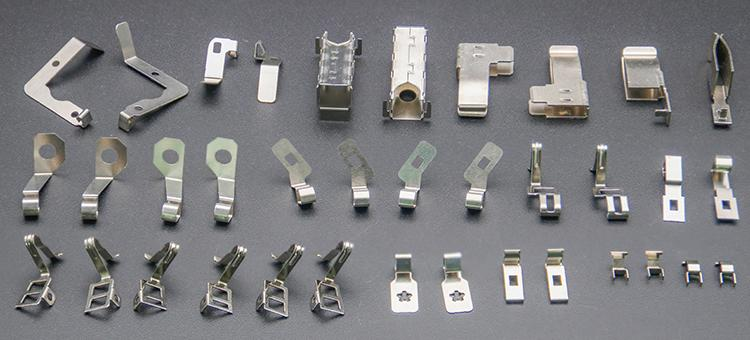
In the future, metal stamping processes will be further intelligent and refined, bringing more innovation and development opportunities to the automotive manufacturing industry. In the future, with the application of more new materials and new technologies, the role of metal stamping processes in automotive manufacturing will become more important, providing consumers with higher-quality automotive products.